
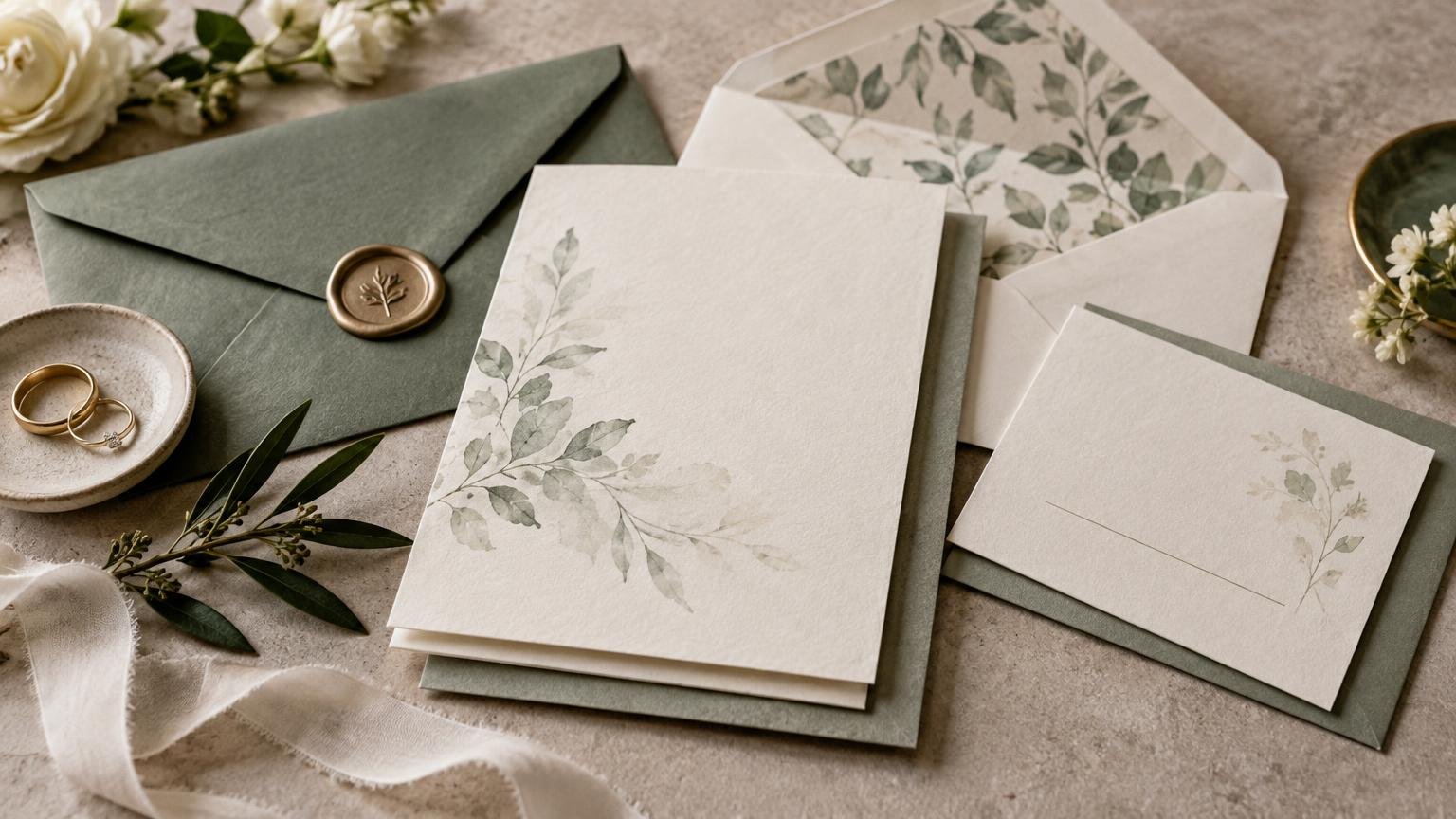
Custom Wedding Invitations and Matching Stationery
Plan coordinated stationery with practical guidance on wording, proofing, timing, and mailing.
Wedding stationery decisions, made clearer
Planning custom wedding invitations means balancing guest communication, family details, design, timing, and the realities of printing and mailing. A1 Wedding Invitations helps bring those decisions into one calm place, whether you begin with finished artwork or a coordinated stationery direction. The goal is to reduce uncertainty before small choices become expensive or stressful.
The useful question is rarely just what looks beautiful. It is also what guests need to know, which cards carry it, how wording reflects the hosts, and whether the finished suite stays readable, practical to assemble, and straightforward to mail. That combination turns a pretty card into clear guest communication.
Etiquette here is guidance, not a fixed rulebook. Formality, culture, religion, destination plans, family structure, and personal preference can change the right wording or suite. The aim is language that feels true to the celebration while giving every guest clear instructions; modern, concise, and traditional approaches all have a place.
Coverage follows the planning sequence: define the event details, choose the suite pieces, settle the wording, shape the visual tone, estimate quantities, allow time for proofing and production, then check the completed mailing. We also address the small problems that can derail a response card, envelope, or proof.
From first wording draft to mail day
A strong invitation suite works as a system. The main card sets the occasion, a save the date creates early awareness, RSVP instructions collect usable answers, and details or reception cards keep logistics from crowding the design. Not every wedding needs every piece; the best suite is the smallest one that communicates the plan completely, especially when travel or several events compete for space.
Style decisions belong in that practical conversation. Typography, spacing, color, photographs, paper feel, finishes, and envelope choices should support the event’s tone without making names, dates, locations, or response directions hard to find. A restrained layout can feel as celebratory as an elaborate one when its hierarchy is clear. Physical choices can also affect envelope fit, postage, and handling.
Before approving a proof, read every line aloud, compare spellings and dates with your source information, and ask someone unfamiliar with the plan to review it. Then confirm quantities, the current production schedule, envelope fit, assembled weight, and current postal requirements. A careful final pass is easier than explaining a beautiful typo to the entire guest list.